
INTRODUCTION
In today's food landscape, consumers are often faced with the dilemma of choosing between fresh and frozen foods. With the increasing demand for convenient and nutritious meal options, it's essential to understand the differences between these two categories. In our previous article,Coconut Water vs Fresh Fruit Juice: Which is Healthier?, we explored the nutritional benefits of fresh fruit. In this article, we will delve into the world of fresh and frozen foods, discussing their definitions, production processes, nutritional comparisons, and health effects.
What They Are: Definition and Origins
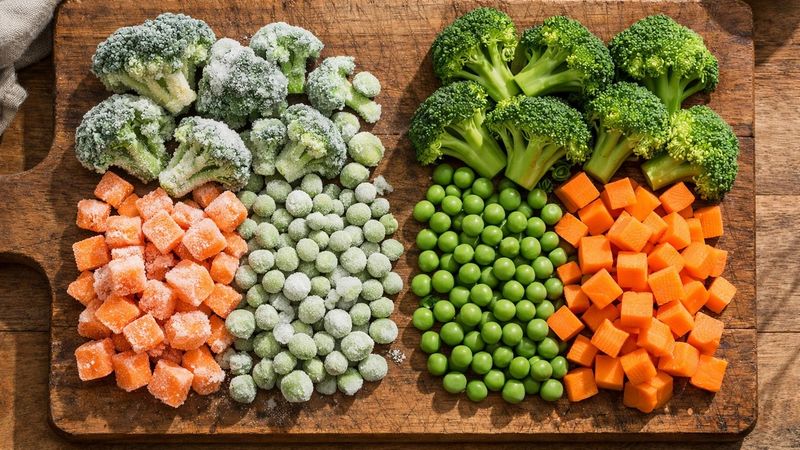
Fresh foods are defined as perishable products that are consumed soon after harvesting or production. They have a shorter shelf life and are often more susceptible to spoilage. Frozen foods, on the other hand, are preserved through a process of freezing, which inhibits the growth of microorganisms and helps retain nutrients. The history of frozen foods dates back to the early 20th century, when the first frozen vegetables were introduced. Today, there are various types of frozen foods available, including frozen meals, fruits, and vegetables.
How They're Made
The production process of frozen foods involves several steps, including harvesting, sorting, cleaning, and freezing. Industrial-scale frozen food production often involves advanced technology, such as flash freezing, to preserve the nutrients and texture of the food. Artisanal frozen food producers, on the other hand, may use more traditional methods, such as slow freezing, to achieve a similar effect.
Detailed Nutritional Comparison
The nutritional content of fresh and frozen foods can vary greatly depending on the type of food, production methods, and handling practices. Generally, fresh foods are higher in water-soluble vitamins, such as vitamin C and B vitamins, while frozen foods may retain more fat-soluble vitamins, such as vitamins A and E. As discussed in our articlePolyphenol‑rich foods: anti‑inflammatory & anti‑aging benefits, polyphenol-rich foods, such as fruits and vegetables, can provide numerous health benefits.
In-Depth Ingredient Analysis
Typical ingredients of frozen foods include a variety of fruits, vegetables, meats, and grains. For example, a frozen meal may contain a mix of vegetables, such as peas, carrots, and corn, along with a protein source, such as chicken or beef. Additives, such as preservatives and flavor enhancers, may also be included to extend shelf life and improve taste. Cleaner-label alternatives, such as organic and non-GMO options, are becoming increasingly popular among health-conscious consumers.
Additives and Controversial Substances
Common additives in frozen foods include sodium nitrate, sodium nitrite, and monosodium glutamate (MSG). These substances can pose health risks, such as increased blood pressure and neurological problems, when consumed in excess. Specific E-numbers, such as E621 (MSG), may also be used to enhance flavor. Consumers should be aware of these additives and opt for cleaner-label alternatives when possible.
Health Effects and Benefits
Documented benefits of consuming fresh and frozen foods include reduced risk of chronic diseases, such as heart disease and certain cancers. Fresh foods, in particular, are high in antioxidants and fiber, which can help regulate blood sugar levels and promote digestive health. However, some frozen foods may be high in sodium and added sugars, which can increase the risk of certain health problems. As discussed in our articleWhat Are Ultra-Processed Foods? A Guide to Identifying Them, ultra-processed foods, including some frozen meals, can have negative health effects when consumed excessively.
How to Read the Label: A Practical Guide
When reading the label of a frozen food product, consumers should look for ingredients, nutritional content, and additives. Red flags include high amounts of sodium, added sugars, and saturated fats. Industry tricks, such as disguising poor ingredients with fancy names or using misleading labeling, can make it difficult for consumers to make informed choices. By being aware of these tactics and opting for cleaner-label alternatives, consumers can make healthier choices and reduce their risk of chronic diseases. For more information on reading labels, check out our articleBarilla whole wheat vs regular: which pasta calms more?.
Best Products on the Market
Birds Eye Frozen Peas: Key ingredients include peas, water, and salt. Two strengths are their high vitamin C content and convenient packaging. One weakness is the potential for added sodium. This product is ideal for health-conscious consumers looking for a quick and easy side dish. For those interested in learning more about vitamin C, check out our article onVitamin C in Foods: Complete Guide to Ascorbic Acid.
Green Giant Frozen Mixed Vegetables: Key ingredients include a mix of vegetables such as carrots, peas, and corn. Two strengths are the variety of vegetables included and the lack of added preservatives. One weakness is the potential for lower nutrient retention due to the freezing process. This product is ideal for families looking for a convenient and healthy meal option.
Tesco Frozen Berries: Key ingredients include a mix of berries such as blueberries, strawberries, and raspberries. Two strengths are their high antioxidant content and affordable price point. One weakness is the potential for added sugars. This product is ideal for consumers looking for a healthy and delicious addition to their oatmeal or yogurt.
Recipes and Kitchen Uses
Recipe 1: Frozen Berry Smoothie
Ingredients:
- cup frozen mixed berries
- 1/2 cup plain yogurt
- 1/2 cup milk
- tablespoon honey
Instructions:
- Combine all ingredients in a blender
- Blend until smooth
- Pour into a glass
- Serve immediately
- Garnish with fresh berries
Prep time: 5 minutes.
Recipe 2: Roasted Frozen Vegetables
Ingredients:
- bag frozen mixed vegetables
- tablespoons olive oil
- Salt and pepper to taste
Instructions:
- Preheat oven to 400°F
- Spread frozen vegetables on a baking sheet
- Drizzle with olive oil
- Season with salt and pepper
- Roast for 20-25 minutes
Prep time: 10 minutes.
Sustainability and Environmental Impact
The production of frozen foods can have a significant impact on the environment, particularly in terms of energy consumption and greenhouse gas emissions. However, consumers can choose responsibly by selecting products with minimal packaging and opting for locally sourced or organic options when possible.
Frequently Asked Questions
Are frozen foods as nutritious as fresh foods?
Answer: Yes, frozen foods can be just as nutritious as fresh foods, as the freezing process helps preserve nutrients.
Can I freeze my own fruits and vegetables at home?
Answer: Yes, you can freeze your own fruits and vegetables at home, but it's essential to follow proper freezing and storage techniques.
Are all frozen foods created equal?
Answer: No, not all frozen foods are created equal, as some may contain added preservatives or sodium, so it's crucial to read labels carefully.
Final Verdict
In conclusion, frozen foods can be a healthy and convenient option for consumers. When choosing between fresh and frozen, consider the nutritional content, price, and environmental impact. For those looking to make informed decisions about their diet, check out our article onDiet Comparison: Keto, Vegan, Mediterranean & More – Which is Best for You? (2025).
🔍 FoodReveal helps you decode nutrition labels beyond marketing. Available for Android and iOS.
Leave a review