
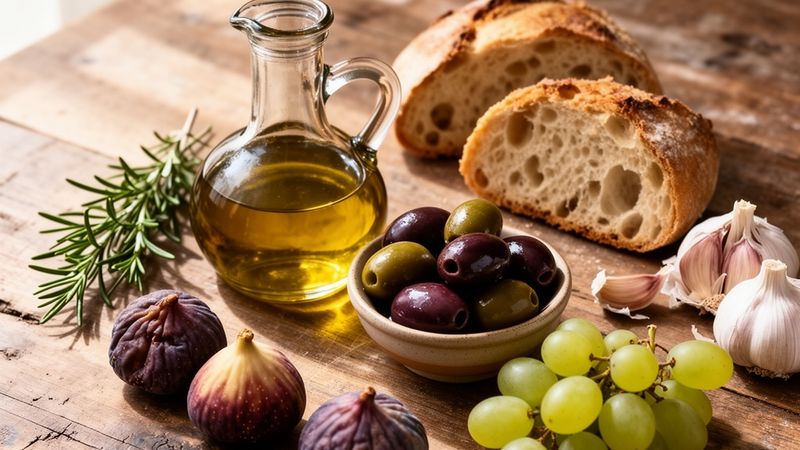
For centuries, the Mediterranean region has been lauded for its remarkably healthy cuisine. But it’s not just what people eat, but how they eat it that makes the Mediterranean diet so beneficial. At the heart of this culinary tradition lies extra virgin olive oil (EVOO) a cornerstone ingredient celebrated for its flavor and potent health benefits. Beyond a simple cooking fat, EVOO is a complex food with a rich history and a crucial role in promoting longevity and well-being. This article delves into the world of extra virgin olive oil within the context of the Mediterranean diet, exploring its nutritional profile, quality considerations, and practical applications
What Are Extra Virgin Olive Oil in Mediterranean Diet
Extra virgin olive oil isn’t merely an addition to the Mediterranean diet; it’s fundamentally woven into its fabric. Traditionally, populations around the Mediterranean Sea – encompassing countries like Greece, Italy, Spain, and Morocco – have relied heavily on olive oil as their primary source of dietary fat. Unlike many Western diets dominated by saturated and trans fats, the Mediterranean approach prioritizes monounsaturated fats abundant in EVOO. This isn't simply about swapping one fat for another; it's about embracing a whole-food approach where olive oil is used liberally in cooking, as a salad dressing, and even drizzled over finished dishes. The emphasis is on quality – specifically, choosing extra virgin olive oil. This designation guarantees a higher level of purity and antioxidant content compared to refined olive oils. The traditional Mediterranean diet also emphasizes whole, unprocessed foods—fruits, vegetables, whole grains, legumes, nuts—and moderate amounts of fish and poultry. Olive oil complements these foods perfectly, enhancing both flavor and nutritional value. It’s important to note that the Mediterranean diet isn't a rigid set of rules but rather a way of eating based on regional traditions
Detailed Nutritional Comparison
Extra virgin olive oil is surprisingly nutrient-dense for a fat source. While primarily composed of fat – specifically oleic acid – it also contains essential vitamins and powerful antioxidants. A typical serving size is one tablespoon (approximately 15ml). Here's a breakdown comparing EVOO to other common cooking oils
| Nutrient | Extra Virgin Olive Oil (1 tbsp) | Avocado Oil (1 tbsp) | Coconut Oil (1 tbsp) | Butter (1 tbsp) | Sunflower Oil (1 tbsp) |
|---|---|---|---|---|---|
| Calories | 120 | 120 | 120 | 100 | 120 |
| Total Fat | 14g | 14g | 14g | 11g | 14g |
| Saturated Fat | 2g | 2g | 12g | 7g | 1g |
| Monounsaturated Fat | 10g | 10g | 6g | 3g | 9g |
| Polyunsaturated Fat | 1g | 2g | 0g | 0g | 5g |
| Vitamin E | 1.9mg (13% DV) | 2.3mg (15% DV) | 0.07mg (0% DV) | 0.1mg (1% DV) | 5.5mg (37% DV) |
| Vitamin K | 8.4mcg (7% DV) | 2.5mcg (2% DV) | 0mcg (0% DV) | 0.3mcg (0% DV) | 0mcg (0% DV) |
DV = Daily Value based on a 2,000 calorie diet
The high content of monounsaturated fats in EVOO is particularly noteworthy as these fats are linked to improved heart health. While sunflower oil provides more Vitamin E, it also has a higher proportion of polyunsaturated fats which are more prone to oxidation during cooking
Ingredients and Quality Analysis
The simplicity of extra virgin olive oil is its strength – ideally, it should contain only one ingredient: olives! However, the quality of EVOO can vary dramatically depending on factors like olive variety, growing conditions, harvesting methods, and processing techniques. Look for oils labeled “cold-pressed,” which indicates minimal heat was used during extraction, preserving more of the beneficial compounds. It’s also crucial to consider the acidity level True extra virgin olive oil must have an acidity level below 0.8%, with lower levels generally indicating higher quality. Many producers now provide detailed information about the olive varietals used and the harvest date on their labels—a sign of transparency and commitment to quality. The color of olive oil isn't necessarily an indicator of quality; it can range from pale yellow to deep green depending on the olives used. Don’t be swayed by marketing claims alone; seek out certifications from reputable organizations like the North American Olive Oil Association (NAOOA). When considering brands available in US supermarkets like Trader Joe's or Whole Foods 365, reading label details is paramount. As we discussed in our article about Portion vs. 100g: The Definitive Guide to Comparing Food Labels understanding how serving sizes impact nutritional intake is crucial
Benefits and Potential Downsides
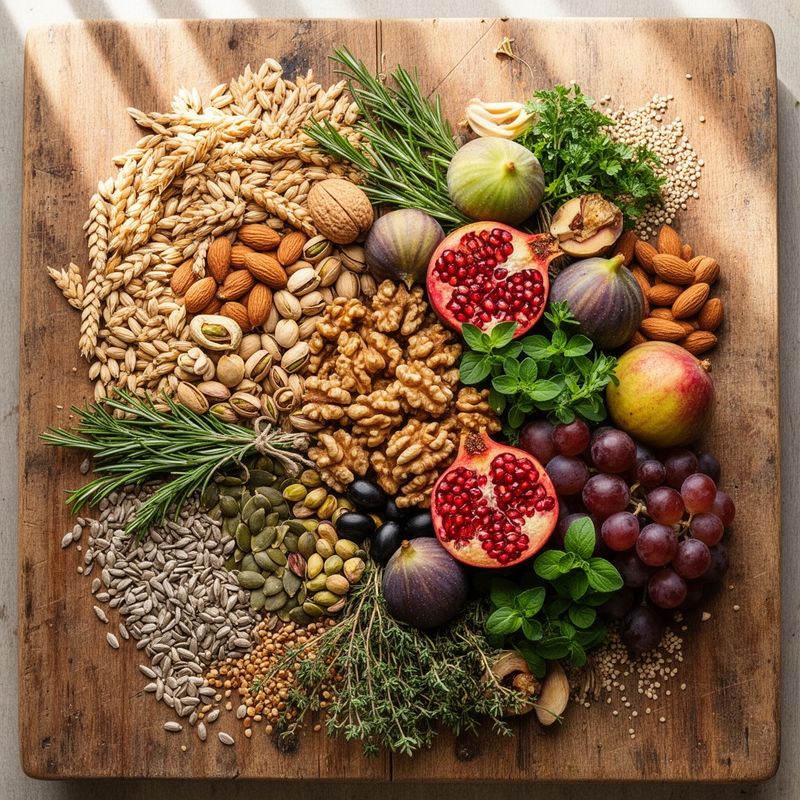
The health benefits associated with extra virgin olive oil are extensive and well-documented in scientific literature. Its rich polyphenol content—powerful antioxidants—is believed to play a key role in reducing inflammation, protecting against chronic diseases like heart disease and cancer, and even supporting brain health. Studies suggest that regular consumption of EVOO may help lower LDL (“bad”) cholesterol levels and improve blood vessel function. Furthermore, some research indicates that EVOO may have anti-diabetic effects by improving insulin sensitivity. However, it’s important to remember that EVOO is still a fat source and therefore calorie-dense. Consuming excessive amounts can contribute to weight gain if not balanced with overall dietary intake and physical activity. Additionally, while generally well-tolerated, some individuals may experience digestive discomfort from high-fat foods. It’s also worth noting that heating EVOO at very high temperatures can degrade some of its beneficial compounds; using it for low to medium heat cooking or as a finishing oil is generally recommended
Which Should You Choose: A Practical Guide
Navigating the world of olive oil can be confusing due to the wide range of options available at varying price points. When selecting EVOO for everyday use, prioritize quality over price within your budget. Look for dark glass bottles as light exposure can degrade the oil's quality over time. Store your olive oil in a cool, dark place away from heat and light to preserve its freshness. Don’t be afraid to experiment with different olive varieties—each has its unique flavor profile! Some oils are fruity and delicate while others are peppery and robust; finding one you enjoy will make it easier to incorporate into your diet regularly. Consider using different oils for different purposes: a high-quality finishing oil for salads or drizzling over vegetables versus a more affordable option for sautéing or roasting at moderate temperatures. Remember that choosing a healthy diet is more than just picking one “superfood”; it’s about creating a sustainable pattern of eating that supports your overall well-being – something we explore further in Diet Comparison: Keto, Vegan, Mediterranean & More – Which is Best for You? (2025)
Recipes and Pairing Suggestions
Extra virgin olive oil shines in simple recipes that allow its flavor to take center stage. Here’s a quick recipe for a classic Mediterranean salad dressing
Simple Mediterranean Vinaigrette
- tablespoons extra virgin olive oil
- tablespoon red wine vinegar
- teaspoon Dijon mustard
- clove garlic, minced
- Salt and pepper to taste
Whisk all ingredients together until emulsified
Drizzle over fresh greens, tomatoes, cucumbers, and feta cheese
A simple roasted vegetable dish also showcases EVOO beautifully: toss chopped vegetables like bell peppers, zucchini, eggplant and red onion with olive oil, herbs (rosemary or thyme work well), salt and pepper then roast at 400°F (200°C) until tender
The versatility extends beyond savory dishes; consider drizzling EVOO over fresh fruit like strawberries or peaches for an unexpected but delightful treat
Final Verdict
Extra virgin olive oil is undeniably a cornerstone of the healthy Mediterranean diet—and for good reason! Its unique nutritional profile boasts heart-healthy fats and potent antioxidants while adding incredible flavor to countless dishes . Choosing high-quality EVOO is key however – look for cold-pressed oils with low acidity levels stored in dark glass bottles.. Incorporating this liquid gold into your daily routine can contribute significantly to overall health and well being
🔍 Want to know exactly what's in a product before you buy it? With you scan the label in seconds and get a full breakdown of ingredients, additives and nutritional values — in plain language, no expertise required
🔍 FoodReveal helps you decode nutrition labels beyond marketing. Available for Android and iOS.
Sources and Further Reading
- Protective effect of extra virgin olive oil (EVOO) consumption on the
- Regular extra-virgin olive oil intake independently associates with
- Olive Oil in the Mediterranean Diet and Its Biochemical and ... - PMC
- Only virgin type of olive oil consumption reduces the risk of mortality
- The Secrets of the Mediterranean Diet. Does [Only] Olive Oil Matter?
Leave a review