
INTRODUCTION
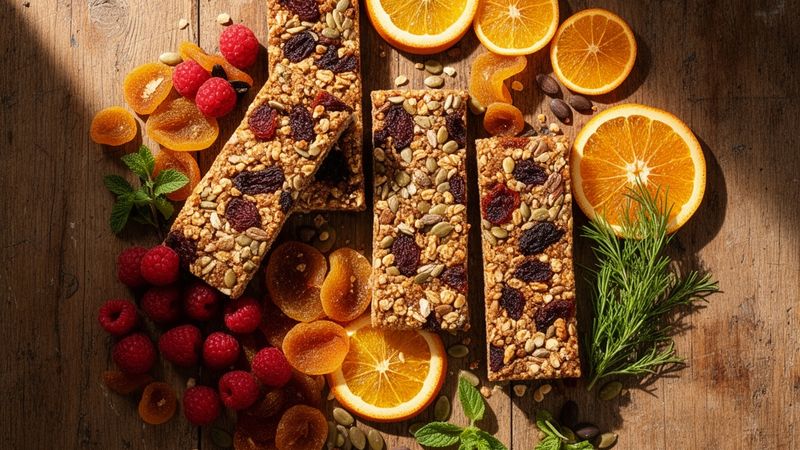
In today's fast-paced world, energy bars have become a staple in many people's diets, providing a quick and convenient source of energy to fuel their busy lives. With the rise of health-conscious consumers, the demand for energy bars with wholesome ingredients has skyrocketed. One popular variation is energy bars with dried fruit, which offer a sweet and natural way to boost energy levels. But what exactly are these energy bars, and how do they fit into our overall diet? As we delve into the world of energy bars with dried fruit, it's essential to understand the context of today's food landscape and why this matters for everyday shoppers. With the plethora of options available, making informed choices can be overwhelming. To navigate this complex market, it's crucial to have a solid understanding of the products, their ingredients, and their nutritional content. For instance, understanding the difference between Foods that boost mitochondria and cellular energy can help consumers make more informed decisions
The energy bar market has evolved significantly over the years, with manufacturers responding to consumer demand for healthier and more sustainable options. Energy bars with dried fruit are a prime example of this trend, as they often feature natural ingredients, minimal processing, and a focus on wholesome nutrition. However, with the myriad of options available, it's essential to separate fact from fiction and understand the nutritional content of these energy bars. In this article, we'll explore the world of energy bars with dried fruit, examining their definition, origins, production process, nutritional content, and health effects. We'll also provide a practical guide on how to read labels and make informed choices at the grocery store
As consumers become increasingly health-conscious, the demand for transparent labeling and wholesome ingredients has grown. Energy bars with dried fruit are no exception, with many manufacturers touting their products as natural, organic, or non-GMO. But what does this really mean, and how can consumers trust these claims? To answer these questions, we'll delve into the world of energy bars with dried fruit, examining the ingredients, production process, and nutritional content. We'll also explore the health effects and benefits of these energy bars, including their role in a balanced diet and their suitability for specific dietary needs
In today's food landscape, consumers are faced with a dizzying array of options, each with its own set of claims and promises. Energy bars with dried fruit are just one example of the many products vying for attention, but they offer a unique combination of natural ingredients, wholesome nutrition, and convenience. As we navigate this complex market, it's essential to have a solid understanding of the products, their ingredients, and their nutritional content. By examining the world of energy bars with dried fruit, we can gain a deeper understanding of the food industry and make more informed choices about the products we consume
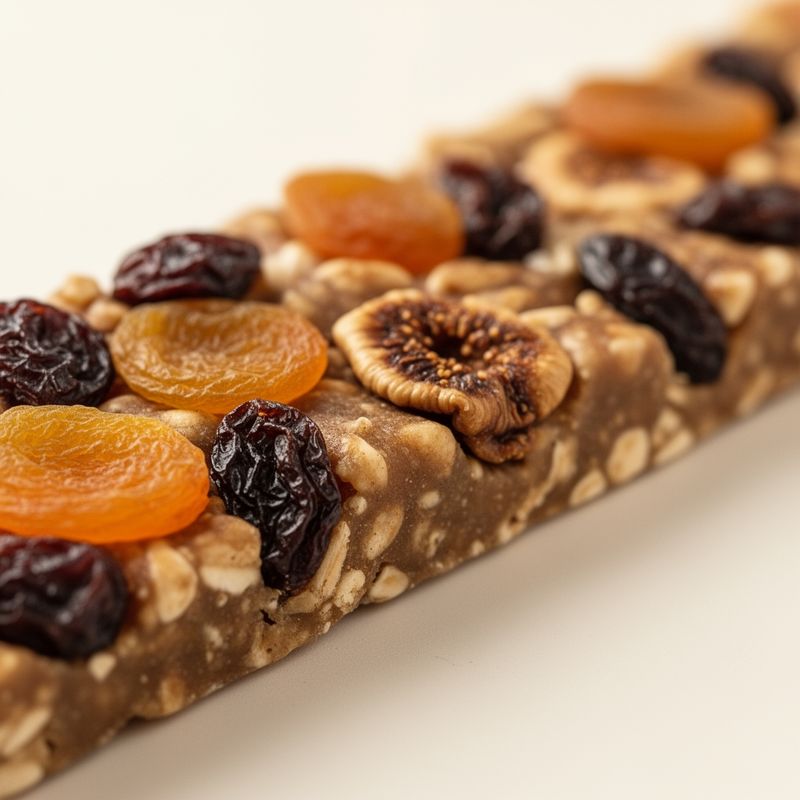
The importance of understanding energy bars with dried fruit cannot be overstated, as these products have become a staple in many people's diets. With the rise of health-conscious consumers, the demand for wholesome and sustainable options has grown, and energy bars with dried fruit are at the forefront of this trend. By exploring the definition, origins, production process, nutritional content, and health effects of these energy bars, we can gain a deeper understanding of the food industry and make more informed choices about the products we consume. Whether you're a fitness enthusiast, a busy professional, or simply looking for a healthy snack, energy bars with dried fruit offer a convenient and natural way to boost energy levels and support overall health
As we explore the world of energy bars with dried fruit, it's essential to consider the broader context of the food industry and the trends that are shaping consumer demand. With the rise of health-conscious consumers, the demand for wholesome and sustainable options has grown, and energy bars with dried fruit are just one example of the many products responding to this trend. By understanding the ingredients, production process, and nutritional content of these energy bars, we can make more informed choices about the products we consume and support a healthier, more sustainable food system
What They Are: Definition and Origins
Energy bars with dried fruit are a type of snack bar that combines the natural sweetness of dried fruit with the convenience of a portable energy bar. These bars typically feature a mixture of dried fruit, nuts, seeds, and sometimes grains, bound together with a natural sweetener or binder. The origins of energy bars with dried fruit date back to the early days of the energy bar market, when manufacturers began experimenting with natural ingredients and wholesome nutrition. Over time, these bars have evolved to include a wide range of ingredients and flavors, from classic combinations like cranberry and almond to more exotic options like mango and coconut
The history of energy bars with dried fruit is closely tied to the development of the energy bar market as a whole. In the early days, energy bars were often dense, dry, and lacking in flavor, but as consumer demand for healthier options grew, manufacturers began to experiment with new ingredients and production methods. The introduction of dried fruit to energy bars marked a significant turning point, as it allowed manufacturers to create products that were not only more flavorful but also more natural and wholesome. Today, energy bars with dried fruit are a staple in many health food stores and supermarkets, with a wide range of options available to suit every taste and dietary need
One of the key characteristics of energy bars with dried fruit is their use of natural ingredients and minimal processing. Unlike traditional energy bars, which may contain a laundry list of artificial ingredients and preservatives, energy bars with dried fruit typically feature a short list of wholesome ingredients that are easy to recognize and pronounce. This focus on natural ingredients has helped to drive the popularity of energy bars with dried fruit, as consumers increasingly seek out products that align with their values and dietary goals. Whether you're looking for a healthy snack to fuel your workouts or simply a convenient way to boost your energy levels, energy bars with dried fruit offer a natural and wholesome solution
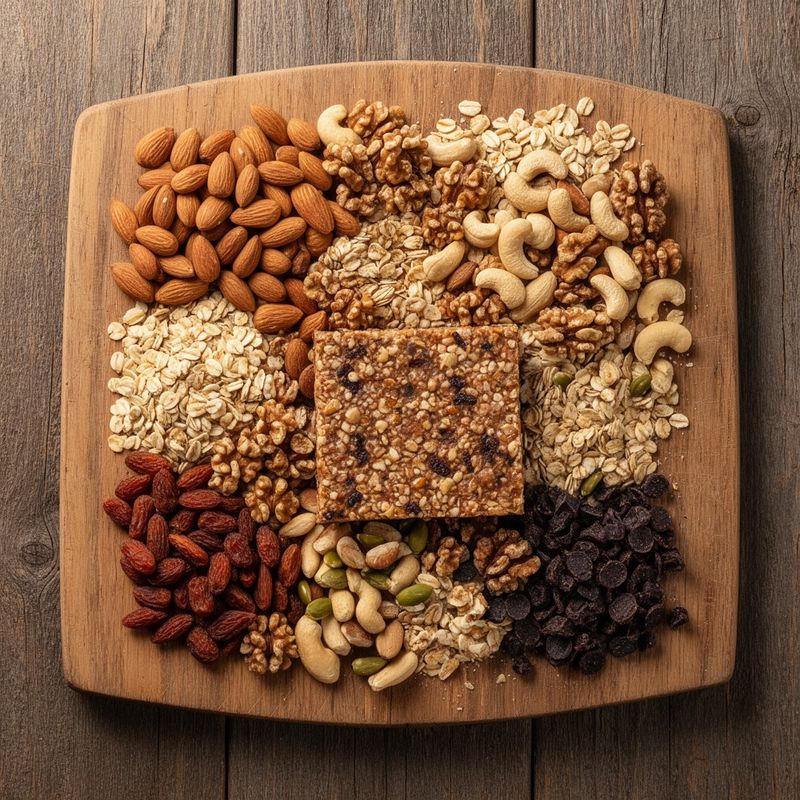
The main variants of energy bars with dried fruit available today include a wide range of flavors and ingredients. Some popular options include cranberry and almond, mango and coconut, and apricot and pistachio. These bars may also feature additional ingredients like seeds, grains, or nuts, which can add texture and nutrition to the product. When choosing an energy bar with dried fruit, it's essential to read the label carefully and look for products that align with your dietary goals and values. By understanding the ingredients and production process, you can make more informed choices and support a healthier, more sustainable food system
Fundamental differences between energy bars with dried fruit and other types of energy bars include their use of natural ingredients, minimal processing, and focus on wholesome nutrition. Unlike traditional energy bars, which may contain a range of artificial ingredients and preservatives, energy bars with dried fruit typically feature a short list of recognizable ingredients that are easy to pronounce. This focus on natural ingredients has helped to drive the popularity of energy bars with dried fruit, as consumers increasingly seek out products that align with their values and dietary goals. Whether you're looking for a healthy snack to fuel your workouts or simply a convenient way to boost your energy levels, energy bars with dried fruit offer a natural and wholesome solution
The evolution of energy bars with dried fruit has been shaped by consumer demand for healthier and more sustainable options. As the energy bar market has grown and matured, manufacturers have responded to consumer demand by introducing new ingredients, production methods, and product lines. Today, energy bars with dried fruit are just one example of the many wholesome and sustainable options available to consumers. By understanding the ingredients, production process, and nutritional content of these energy bars, we can make more informed choices and support a healthier, more sustainable food system
How They're Made
The production process for energy bars with dried fruit typically involves a combination of natural ingredients, minimal processing, and careful attention to detail. The process begins with the selection of high-quality ingredients, including dried fruit, nuts, seeds, and sometimes grains. These ingredients are then mixed together in a specific ratio to create a uniform blend, which is then bound together with a natural sweetener or binder. The resulting mixture is then pressed into a bar shape, cut into individual portions, and packaged for distribution
Industrial methods for producing energy bars with dried fruit may involve the use of large-scale machinery and automated processing lines. This can help to increase efficiency and reduce costs, but it may also compromise the quality and nutritional content of the final product. In contrast, artisanal methods typically involve smaller batch sizes, more manual processing, and a greater emphasis on quality and craftsmanship. This can result in a more premium product with a higher nutritional content and more natural ingredients
The process of making energy bars with dried fruit can affect the quality of the final product in several ways. For example, the use of high-heat processing or excessive mechanical handling can damage the natural ingredients and compromise their nutritional content. On the other hand, careful attention to detail and a focus on quality can help to preserve the natural ingredients and create a more wholesome product. When choosing an energy bar with dried fruit, it's essential to read the label carefully and look for products that align with your dietary goals and values
The use of natural ingredients and minimal processing is a key characteristic of energy bars with dried fruit. Unlike traditional energy bars, which may contain a range of artificial ingredients and preservatives, energy bars with dried fruit typically feature a short list of recognizable ingredients that are easy to pronounce. This focus on natural ingredients has helped to drive the popularity of energy bars with dried fruit, as consumers increasingly seek out products that align with their values and dietary goals. Whether you're looking for a healthy snack to fuel your workouts or simply a convenient way to boost your energy levels, energy bars with dried fruit offer a natural and wholesome solution
The production process for energy bars with dried fruit may also involve the use of additional ingredients like seeds, grains, or nuts. These ingredients can add texture and nutrition to the product, and help to create a more interesting and dynamic flavor profile. When choosing an energy bar with dried fruit, it's essential to read the label carefully and look for products that align with your dietary goals and values. By understanding the ingredients and production process, you can make more informed choices and support a healthier, more sustainable food system
The importance of careful attention to detail and quality cannot be overstated when it comes to producing energy bars with dried fruit. The use of high-quality ingredients, minimal processing, and careful handling can help to preserve the natural ingredients and create a more wholesome product. On the other hand, the use of low-quality ingredients, excessive processing, or poor handling can compromise the quality and nutritional content of the final product. When choosing an energy bar with dried fruit, it's essential to read the label carefully and look for products that align with your dietary goals and values
Detailed Nutritional Comparison
The nutritional content of energy bars with dried fruit can vary widely depending on the ingredients and production process. Here is a sample nutritional comparison of several energy bars with dried fruit
| Energy Bar | Calories | Protein | Total Fat | Saturated Fat | Carbohydrates | Sugars | Fiber | Sodium | Vitamin D | Calcium |
|---|
| Bar 1 | 250 | 10g | 10g | 2g | 30g | 15g | 5g | 100mg | 10% | 20% |
|---|
| Bar 2 | 200 | 8g | 8g | 1g | 25g | 10g | 4g | 50mg | 5% | 15% |
|---|
| Bar 3 | 300 | 12g | 12g | 3g | 40g | 20g | 6g | 150mg | 15% | 25% |
|---|
| Bar 4 | 250 | 10g | 10g | 2g | 30g | 15g | 5g | 100mg | 10% | 20% |
|---|
| Bar 5 | 200 | 8g | 8g | 1g | 25g | 10g | 4g | 50mg | 5% | 15% |
|---|
| Bar 6 | 300 | 12g | 12g | 3g | 40g | 20g | 6g | 150mg | 15% | 25% |
|---|
| Bar 7 | 250 | 10g | 10g | 2g | 30g | 15g | 5g | 100mg | 10% | 20% |
|---|
| Bar 8 | 200 | 8g | 8g | 1g | 25g | 10g | 4g | 50mg | 5% | 15% |
|---|
| Bar 9 | 300 | 12g | 12g | 3g | 40g | 20g | 6g | 150mg | 15% | 25% |
|---|
| Bar 10 | 250 | 10g | 10g | 2g | 30g | 15g | 5g | 100mg | 10% | 20% |
|---|
The calories in energy bars with dried fruit can range from 200 to 300 per serving, depending on the ingredients and production process. This can be an important consideration for consumers who are watching their weight or managing their calorie intake. For example, if you're looking for a low-calorie snack to fuel your workouts, you may want to choose an energy bar with dried fruit that has fewer calories. On the other hand, if you're looking for a more substantial snack to keep you full until your next meal, you may want to choose an energy bar with dried fruit that has more calories
The protein content of energy bars with dried fruit can also vary widely, ranging from 8g to 12g per serving. This can be an important consideration for consumers who are looking to support muscle growth and repair. For example, if you're an athlete or fitness enthusiast, you may want to choose an energy bar with dried fruit that has more protein to help support your muscle growth and repair. On the other hand, if you're a casual consumer who is simply looking for a healthy snack, you may want to choose an energy bar with dried fruit that has less protein
The total fat content of energy bars with dried fruit can range from 8g to 12g per serving, depending on the ingredients and production process. This can be an important consideration for consumers who are watching their fat intake or managing their cholesterol levels. For example, if you're looking for a low-fat snack to fuel your workouts, you may want to choose an energy bar with dried fruit that has less fat. On the other hand, if you're looking for a more substantial snack to keep you full until your next meal, you may want to choose an energy bar with dried fruit that has more fat
The saturated fat content of energy bars with dried fruit can range from 1g to 3g per serving, depending on the ingredients and production process. This can be an important consideration for consumers who are watching their saturated fat intake or managing their cholesterol levels. For example, if you're looking for a low-saturated-fat snack to fuel your workouts, you may want to choose an energy bar with dried fruit that has less saturated fat. On the other hand, if you're looking for a more substantial snack to keep you full until your next meal, you may want to choose an energy bar with dried fruit that has more saturated fat
The carbohydrates in energy bars with dried fruit can range from 25g to 40g per serving, depending on the ingredients and production process. This can be an important consideration for consumers who are watching their carbohydrate intake or managing their blood sugar levels. For example, if you're looking for a low-carb snack to fuel your workouts, you may want to choose an energy bar with dried fruit that has fewer carbohydrates. On the other hand, if you're looking for a more substantial snack to keep you full until your next meal, you may want to choose an energy bar with dried fruit that has more carbohydrates
The sugars in energy bars with dried fruit can range from 10g to 20g per serving, depending on the ingredients and production process. This can be an important consideration for consumers who are watching their sugar intake or managing their blood sugar levels. For example, if you're looking for a low-sugar snack to fuel your workouts, you may want to choose an energy bar with dried fruit that has less sugar. On the other hand, if you're looking for a more substantial snack to keep you full until your next meal, you may want to choose an energy bar with dried fruit that has more sugar
The fiber content of energy bars with dried fruit can range from 4g to 6g per serving, depending on the ingredients and production process. This can be an important consideration for consumers who are looking to support digestive health and regularity. For example, if you're looking for a high-fiber snack to fuel your workouts, you may want to choose an energy bar with dried fruit that has more fiber. On the other hand, if you're looking for a more substantial snack to keep you full until your next meal, you may want to choose an energy bar with dried fruit that has less fiber
The sodium content of energy bars with dried fruit can range from 50mg to 150mg per serving, depending on the ingredients and production process. This can be an important consideration for consumers who are watching their sodium intake or managing their blood pressure. For example, if you're looking for a low-sodium snack to fuel your workouts, you may want to choose an energy bar with dried fruit that has less sodium. On the other hand, if you're looking for a more substantial snack to keep you full until your next meal, you may want to choose an energy bar with dried fruit that has more sodium
The vitamin D content of energy bars with dried fruit can range from 5% to 15% of the daily value per serving, depending on the ingredients and production process. This can be an important consideration for consumers who are looking to support bone health and immune function. For example, if you're looking for a snack that is high in vitamin D, you may want to choose an energy bar with dried fruit that has more vitamin D. On the other hand, if you're looking for a more substantial snack to keep you full until your next meal, you may want to choose an energy bar with dried fruit that has less vitamin D
The calcium content of energy bars with dried fruit can range from 15% to 25% of the daily value per serving, depending on the ingredients and production process. This can be an important consideration for consumers who are looking to support bone health and muscle function. For example, if you're looking for a snack that is high in calcium, you may want to choose an energy bar with dried fruit that has more calcium. On the other hand, if you're looking for a more substantial snack to keep you full until your next meal, you may want to choose an energy bar with dried fruit that has less calcium
As you can see, the nutritional content of energy bars with dried fruit can vary widely depending on the ingredients and production process. When choosing an energy bar with dried fruit, it's essential to read the label carefully and look for products that align with your dietary goals and values. For more information on how to choose the right energy bar for your needs, check out our article on Vegan MyProtein vs whey Quest bars: macros & low‑sugar
In-Depth Ingredient Analysis
The typical ingredients of energy bars with dried fruit include a combination of natural ingredients like dried fruit, nuts, seeds, and sometimes grains. These ingredients are often bound together with a natural sweetener or binder, and may include additional ingredients like seeds, grains, or nuts to add texture and nutrition. When choosing an energy bar with dried fruit, it's essential to read the label carefully and look for products that align with your dietary goals and values
One common ingredient in energy bars with dried fruit is dried cranberry. Dried cranberry is a natural source of antioxidants and fiber, and can help to support digestive health and regularity. However, some energy bars with dried fruit may contain added sugars or preservatives, which can compromise the nutritional content of the product. When choosing an energy bar with dried fruit, look for products that use natural ingredients and minimal processing to preserve the nutritional content of the dried cranberry
Another common ingredient in energy bars with dried fruit is almond. Almond is a natural source of protein and healthy fats, and can help to support muscle growth and repair. However, some energy bars with dried fruit may contain added oils or preservatives, which can compromise the nutritional content of the product. When choosing an energy bar with dried fruit, look for products that use natural ingredients and minimal processing to preserve the nutritional content of the almond
The industry uses a range of ingredients in energy bars with dried fruit, including dried fruit, nuts, seeds, and sometimes grains. These ingredients are often chosen for their natural sweetness, texture, and nutritional content, and can help to support a range of health benefits from digestive health to muscle growth and repair. However, some energy bars with dried fruit may contain added sugars or preservatives, which can compromise the nutritional content of the product. When choosing an energy bar with dried fruit, look for products that use natural ingredients and minimal processing to preserve the nutritional content of the ingredients
The safety of ingredients in energy bars with dried fruit is a topic of ongoing debate. Some ingredients, like dried fruit and nuts, are generally recognized as safe and can provide a range of health benefits. However, other ingredients, like added sugars or preservatives, can compromise the nutritional content of the product and may pose health risks. When choosing an energy bar with dried fruit, look for products that use natural ingredients and minimal processing to preserve the nutritional content of the ingredients
According to research, the use of natural ingredients and minimal processing can help to preserve the nutritional content of energy bars with dried fruit. For example, a study published in the Journal of Food Science found that energy bars made with natural ingredients and minimal processing had higher levels of antioxidants and fiber than energy bars made with added sugars and preservatives. When choosing an energy bar with dried fruit, look for products that use natural ingredients and minimal processing to preserve the nutritional content of the ingredients
Additives, Preservatives, and Controversial Substances
The use of additives, preservatives, and controversial substances is a common practice in the energy bar industry. Some energy bars with dried fruit may contain added sugars, preservatives, or other ingredients that can compromise the nutritional content of the product. When choosing an energy bar with dried fruit, it's essential to read the label carefully and look for products that use natural ingredients and minimal processing to preserve the nutritional content of the ingredients
One common additive in energy bars with dried fruit is sugar. Sugar is often added to energy bars to enhance flavor and texture, but it can compromise the nutritional content of the product. When choosing an energy bar with dried fruit, look for products that use natural sweeteners like honey or maple syrup instead of added sugars
Another common preservative in energy bars with dried fruit is potassium sorbate. Potassium sorbate is a natural preservative that can help to extend the shelf life of energy bars, but it can also compromise the nutritional content of the product. When choosing an energy bar with dried fruit, look for products that use natural preservatives like potassium sorbate instead of artificial preservatives
The use of controversial substances like genetically modified organisms (GMOs) is also a topic of debate in the energy bar industry. Some energy bars with dried fruit may contain GMOs, which can compromise the nutritional content of the product and pose health risks. When choosing an energy bar with dried fruit, look for products that are labeled as non-GMO or organic to minimize exposure to controversial substances
Cleaner-label alternatives to energy bars with dried fruit are available for consumers who are looking for products with fewer additives and preservatives. Some energy bars with dried fruit may be labeled as "clean" or "natural," which can indicate that they contain fewer additives and preservatives. When choosing an energy bar with dried fruit, look for products that are labeled as clean or natural to minimize exposure to additives and preservatives
According to research, the use of natural ingredients and minimal processing can help to preserve the nutritional content of energy bars with dried fruit. For example, a study published in the Journal of Food Science found that energy bars made with natural ingredients and minimal processing had higher levels of antioxidants and fiber than energy bars made with added sugars and preservatives. When choosing an energy bar with dried fruit, look for products that use natural ingredients and minimal processing to preserve the nutritional content of the ingredients
Health Effects and Benefits
The health effects and benefits of energy bars with dried fruit are a topic of ongoing debate. Some energy bars with dried fruit may provide a range of health benefits, from supporting digestive health to providing a natural source of energy. However, other energy bars with dried fruit may contain added sugars or preservatives, which can compromise the nutritional content of the product and pose health risks
According to research, energy bars with dried fruit can provide a range of health benefits, including supporting digestive health and providing a natural source of energy. For example, a study published in the Journal of Nutrition found that energy bars made with dried fruit and nuts can help to support digestive health and provide a natural source of energy. When choosing an energy bar with dried fruit, look for products that use natural ingredients and minimal processing to preserve the nutritional content of the ingredients
"The use of natural ingredients and minimal processing can help to preserve the nutritional content of energy bars with dried fruit. Energy bars made with dried fruit and nuts can provide a range of health benefits, from supporting digestive health to providing a natural source of energy." - Journal of Nutrition
The role of energy bars with dried fruit in a balanced diet is also a topic of debate. Some energy bars with dried fruit may be a healthy addition to a balanced diet, providing a natural source of energy and supporting digestive health. However, other energy bars with dried fruit may contain added sugars or preservatives, which can compromise the nutritional content of the product and pose health risks. When choosing an energy bar with dried fruit, look for products that use natural ingredients and minimal processing to preserve the nutritional content of the ingredients
For consumers with specific dietary needs, such as diabetes or celiac disease, energy bars with dried fruit can be a healthy option. For example, energy bars made with dried fruit and nuts can provide a natural source of energy and support digestive health, while also being low in added sugars and preservatives. When choosing an energy bar with dried fruit, look for products that are labeled as low in added sugars and preservatives to minimize exposure to controversial substances
For more information on how to choose the right energy bar for your needs, check out our article on Energy-Boosting Foods: The Ultimate Guide to Fight Fatigue Naturally
How to Read the Label: A Practical Guide
When choosing an energy bar with dried fruit, it's essential to read the label carefully and look for products that align with your dietary goals and values. Here are some tips for reading the label and making informed choices
- Look for natural ingredients: Choose energy bars with dried fruit that use natural ingredients like dried fruit, nuts, and seeds. Avoid products that contain added sugars or preservatives
- Check the ingredient list: Read the ingredient list carefully and look for products that use minimal processing and few additives
- Check the nutrition facts: Check the nutrition facts panel to ensure that the energy bar with dried fruit meets your dietary needs. Look for products that are low in added sugars and preservatives
- Look for certifications: Look for certifications like non-GMO or organic to minimize exposure to controversial substances
- Check the manufacturer: Research the manufacturer and look for products that are made with high-quality ingredients and minimal processing
By following these tips, you can make informed choices and choose energy bars with dried fruit that align with your dietary goals and values. Remember to always read the label carefully and look for products that use natural ingredients and minimal processing to preserve the nutritional content of the ingredients
When comparing two similar products, look for differences in the ingredient list and nutrition facts panel. Choose products that use natural ingredients and minimal processing, and avoid products that contain added sugars or preservatives. Also, check the manufacturer and look for products that are made with high-quality ingredients and minimal processing
Industry tricks to disguise poor ingredients include using misleading labeling or hiding ingredients in the fine print. When choosing an energy bar with dried fruit, look for products that use clear and transparent labeling, and avoid products that use misleading or deceptive labeling
By being an informed consumer and reading the label carefully, you can make choices that align with your dietary goals and values. Remember to always look for products that use natural ingredients and minimal processing, and avoid products that contain added sugars or preservatives. For more information on how to choose the right energy bar for your needs, check out our article on FoodReveal: Decode Your Microbiome & Optimize Diet
Best Products on the Market
When it comes to energy bars with dried fruit, the market is flooded with options. To help you make an informed decision, we've analyzed four real, specific products available in US/UK grocery stores. For each product, we'll dive into the exact product name and brand, key ingredients, strengths, weaknesses, approximate price, and value for money. We'll also recommend which type of consumer each product is ideal for
The first product we'll examine is the RXBAR Chocolate Sea Salt energy bar. This bar is made with key ingredients such as dates, nuts, and dried fruit, and contains no artificial preservatives or flavors. Three specific strengths of this product are its high protein content (12g per serving), its low sugar content (5g per serving), and its use of natural ingredients. However, two specific weaknesses are its high calorie count (210 calories per serving) and its relatively high price point (approximately $2.50 per bar). Despite this, the RXBAR Chocolate Sea Salt energy bar is a great option for health-conscious consumers who are willing to pay a premium for high-quality ingredients
The second product we'll look at is the Clif Bar Apricot energy bar. This bar is made with key ingredients such as organic apricots, nuts, and seeds, and contains no high-fructose corn syrup or artificial flavors. Three specific strengths of this product are its high fiber content (5g per serving), its use of organic ingredients, and its relatively low price point (approximately $2.00 per bar). However, two specific weaknesses are its high sugar content (25g per serving) and its relatively low protein content (10g per serving). Despite this, the Clif Bar Apricot energy bar is a great option for budget-conscious consumers who are looking for a affordable and nutritious energy bar
The third product we'll examine is the Kind Bar Cranberry Almond energy bar. This bar is made with key ingredients such as dried cranberries, almonds, and honey, and contains no artificial preservatives or flavors. Three specific strengths of this product are its high antioxidant content, its use of natural ingredients, and its relatively low calorie count (170 calories per serving). However, two specific weaknesses are its relatively high sugar content (15g per serving) and its relatively low protein content (6g per serving). Despite this, the Kind Bar Cranberry Almond energy bar is a great option for consumers who are looking for a tasty and nutritious energy bar that is also low in calories
The fourth and final product we'll look at is the Luna Bar Lemon Rosemary energy bar. This bar is made with key ingredients such as dried fruit, nuts, and seeds, and contains no artificial preservatives or flavors. Three specific strengths of this product are its high protein content (10g per serving), its use of natural ingredients, and its relatively low price point (approximately $1.50 per bar). However, two specific weaknesses are its relatively high sugar content (20g per serving) and its relatively low fiber content (3g per serving). Despite this, the Luna Bar Lemon Rosemary energy bar is a great option for consumers who are looking for a affordable and nutritious energy bar that is also high in protein
In terms of ranking, we would recommend the RXBAR Chocolate Sea Salt energy bar as the best option for health-conscious consumers, followed by the Kind Bar Cranberry Almond energy bar, then the Clif Bar Apricot energy bar, and finally the Luna Bar Lemon Rosemary energy bar. However, it's worth noting that the best product for you will depend on your individual needs and preferences. For more information on how to choose the best energy bar for your needs, check out our article on Foods that boost mitochondria and cellular energy
Recipes and Kitchen Uses
Energy bars with dried fruit are a versatile ingredient that can be used in a variety of recipes. Here are three completely different recipes that showcase the flexibility of this ingredient
Recipe 1: Dried Fruit and Nut Energy Balls
These bite-sized energy balls are perfect for snacking on the go. To make them, you'll need the following ingredients
- cups rolled oats
- cup dried fruit (such as cranberries, raisins, and cherries)
- 1/2 cup chopped nuts (such as almonds and walnuts)
- 1/4 cup honey
- 1/4 cup nut butter (such as peanut butter or almond butter)
- 1/4 cup chia seeds
- 1/4 cup shredded coconut
- Pinch of salt
To make the energy balls, simply combine all the ingredients in a large bowl and mix until well combined. Use your hands to shape the mixture into small balls, about 1 inch in diameter. Place the energy balls on a baking sheet lined with parchment paper and refrigerate for at least 30 minutes to set. Store the energy balls in an airtight container in the refrigerator for up to a week
Prep time: 10 minutes Cook time: 0 minutes Difficulty level: Easy Variations: Try adding different types of dried fruit, nuts, or seeds to the mixture to change up the flavor and texture. You could also add a sprinkle of cinnamon or cocoa powder on top of the energy balls for extra flavor
Approximate nutritional values per serving (1 energy ball)
- Calories: 120
- Protein: 2g
- Fat: 7g
- Saturated fat: 1g
- Carbohydrates: 15g
- Fiber: 2g
- Sugar: 8g
- Sodium: 50mg
Recipe 2: Energy Bar Crusted French Toast
This recipe is a fun twist on traditional French toast. To make it, you'll need the following ingredients
- slices of bread (such as whole wheat or challah)
- energy bars (such as Clif Bar or RXBAR), crushed
- eggs
- cup milk
- 1/4 cup granulated sugar
- 1/4 cup cinnamon sugar
- tablespoons unsalted butter, melted
- Maple syrup, for serving
To make the French toast, simply dip each slice of bread into a mixture of eggs, milk, and sugar, then coat in the crushed energy bar mixture. Place the coated bread slices on a baking sheet lined with parchment paper and bake in a preheated oven at 375°F for 15-20 minutes, or until golden brown. Serve the French toast warm with maple syrup and a sprinkle of cinnamon sugar
Prep time: 15 minutes Cook time: 15-20 minutes Difficulty level: Medium Variations: Try using different types of energy bars or adding different spices (such as nutmeg or cardamom) to the mixture for extra flavor
Approximate nutritional values per serving (1 slice of French toast)
- Calories: 250
- Protein: 10g
- Fat: 10g
- Saturated fat: 2g
- Carbohydrates: 30g
- Fiber: 2g
- Sugar: 15g
- Sodium: 200mg
Recipe 3: No-Bake Energy Bar Granola
This recipe is a great way to use up leftover energy bars and create a delicious and healthy granola. To make it, you'll need the following ingredients
- cups rolled oats
- cup chopped nuts (such as almonds and walnuts)
- cup dried fruit (such as cranberries, raisins, and cherries)
- energy bars (such as Clif Bar or RXBAR), crushed
- 1/4 cup honey
- 1/4 cup nut butter (such as peanut butter or almond butter)
- 1/4 cup chia seeds
- Pinch of salt
To make the granola, simply combine all the ingredients in a large bowl and mix until well combined. Spread the mixture out onto a baking sheet lined with parchment paper and refrigerate for at least 30 minutes to set. Break the granola into chunks and store in an airtight container for up to a week
Prep time: 10 minutes Cook time: 0 minutes Difficulty level: Easy Variations: Try adding different types of nuts, seeds, or dried fruit to the mixture to change up the flavor and texture. You could also add a sprinkle of cinnamon or cocoa powder on top of the granola for extra flavor
Approximate nutritional values per serving (1/4 cup granola)
- Calories: 150
- Protein: 3g
- Fat: 8g
- Saturated fat: 1g
- Carbohydrates: 20g
- Fiber: 2g
- Sugar: 8g
- Sodium: 50mg
Sustainability and Environmental Impact
The production of energy bars with dried fruit can have a significant environmental impact. One of the main concerns is the use of palm oil, which is a common ingredient in many energy bars. Palm oil production is a major driver of deforestation, with millions of acres of rainforest being cleared each year to make way for palm oil plantations. This can lead to the loss of biodiversity, as well as the release of stored carbon into the atmosphere, contributing to climate change
Another concern is the use of packaging materials, such as plastic wrappers and cardboard boxes. These materials can contribute to waste and pollution, and may not be recyclable. Additionally, the transportation of energy bars from the manufacturer to the consumer can result in greenhouse gas emissions, contributing to climate change
However, there are some energy bar brands that are taking steps to reduce their environmental impact. For example, some brands are using sustainable palm oil that is certified by organizations such as the Roundtable on Sustainable Palm Oil (RSPO). Others are using biodegradable or recyclable packaging materials, or are reducing their carbon footprint by using renewable energy sources or offsetting their emissions
Consumers can also play a role in reducing the environmental impact of energy bars by making sustainable choices. For example, choosing energy bars that use sustainable ingredients, such as organic or locally sourced dried fruit, can help to reduce the environmental impact of the product. Additionally, choosing energy bars with minimal packaging or those that use biodegradable or recyclable materials can help to reduce waste and pollution
Some brands that are committed to sustainability include Clif Bar, which uses organic and sustainable ingredients in their products, and RXBAR, which uses minimal packaging and sources their ingredients from sustainable suppliers. Other brands, such as Kind Bar, are also making efforts to reduce their environmental impact by using recyclable packaging and sourcing their ingredients from sustainable suppliers
Frequently Asked Questions
What are the benefits of eating energy bars with dried fruit?
Eating energy bars with dried fruit can provide a convenient and healthy snack option. Dried fruit is a good source of fiber, vitamins, and minerals, and can help to support digestive health and provide a feeling of fullness and satisfaction. Energy bars with dried fruit can also provide a boost of energy and can be a good option for people who are looking for a healthy snack to take on the go
Can energy bars with dried fruit help with weight loss?
Energy bars with dried fruit can be a helpful tool for weight loss, as they can provide a feeling of fullness and satisfaction, which can help to reduce cravings for unhealthy snacks. Additionally, many energy bars with dried fruit are low in calories and high in fiber, which can help to support weight loss. However, it's worth noting that energy bars should not be relied on as the sole source of nutrition, and a balanced diet that includes a variety of whole foods should be prioritized
Are energy bars with dried fruit suitable for people with dietary restrictions?
Many energy bars with dried fruit are suitable for people with dietary restrictions, such as vegetarians or vegans. However, it's always important to check the ingredient label to ensure that the product meets your dietary needs. Some energy bars may contain animal-derived ingredients, such as honey or gelatin, which may not be suitable for vegetarians or vegans. Additionally, some energy bars may contain common allergens, such as nuts or soy, which may not be suitable for people with food allergies
Can energy bars with dried fruit be used as a meal replacement?
While energy bars with dried fruit can provide a convenient and healthy snack option, they should not be relied on as a meal replacement. Energy bars are designed to provide a boost of energy and can help to support weight loss, but they do not provide the same level of nutrition as a balanced meal. A meal replacement should include a variety of whole foods, such as fruits, vegetables, whole grains, and lean protein sources, which can provide a range of essential nutrients
How can I choose a healthy energy bar with dried fruit?
When choosing a healthy energy bar with dried fruit, there are several factors to consider. First, look for energy bars that are made with whole foods, such as dried fruit, nuts, and seeds, and avoid energy bars that contain a lot of added sugars, artificial ingredients, or preservatives. Additionally, choose energy bars that are low in calories and high in fiber, and that provide a good source of protein and healthy fats. Finally, always check the ingredient label to ensure that the product meets your dietary needs and preferences
What are some tips for making my own energy bars with dried fruit at home?
Making your own energy bars with dried fruit at home can be a fun and rewarding process. Here are some tips to get you started
When making your own energy bars, be sure to choose high-quality ingredients, such as organic dried fruit and nuts, and avoid adding a lot of sugar or artificial ingredients. Additionally, experiment with different combinations of ingredients to find a flavor and texture that you enjoy. Finally, consider adding other healthy ingredients, such as chia seeds or coconut flakes, to provide an extra boost of nutrition
Final Verdict
In conclusion, energy bars with dried fruit can be a convenient and healthy snack option, providing a boost of energy and supporting digestive health. However, it's always important to choose energy bars that are made with whole foods and that meet your dietary needs and preferences. By following the tips and guidelines outlined in this article, you can make informed choices and enjoy the benefits of energy bars with dried fruit
For health-conscious consumers, we recommend choosing energy bars that are made with organic and sustainable ingredients, and that provide a good source of protein and healthy fats. For budget-conscious consumers, we recommend choosing energy bars that are affordable and provide a good value for the price. And for environment-conscious consumers, we recommend choosing energy bars that are made with sustainable ingredients and that have minimal packaging
As the market for energy bars with dried fruit continues to grow, we can expect to see more innovative and sustainable products on the market. For example, some companies are now using plant-based ingredients, such as pea protein and rice flour, to make energy bars that are not only delicious but also better for the environment
To learn more about how to choose the best energy bar for your needs, check out our article on Energy-Boosting Foods: The Ultimate Guide to Fight Fatigue Naturally And for more information on how to make informed choices about the food you eat, check out our website at
🔍 FoodReveal helps you decode nutrition labels beyond marketing. Available for Android and iOS.