
Introduction
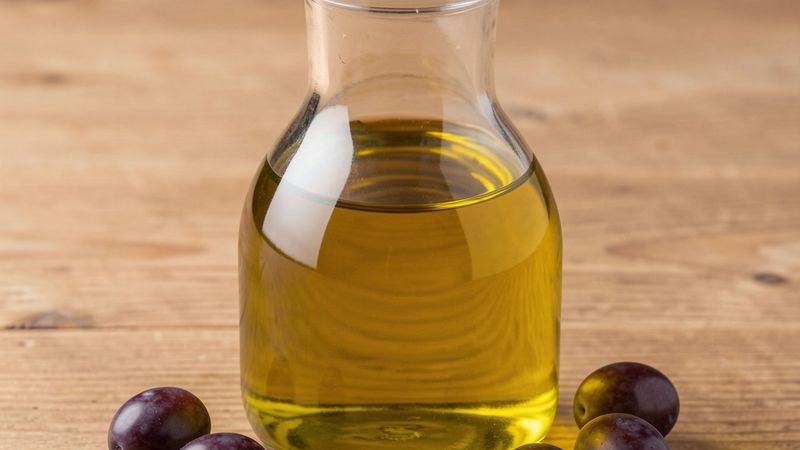
As the world becomes increasingly health-conscious, the demand for high-quality olive oil has skyrocketed. With so many options available, choosing the best olive oil for your health can be a daunting task. In this article, we will delve into the world of olive oil, exploring its definition, origins, production process, nutritional comparison, ingredient analysis, and health effects. For those looking to make an informed decision, our previous article Choosing the Right Olive Oil provides a comprehensive guide to get you started.
What They Are: Definition and Origins
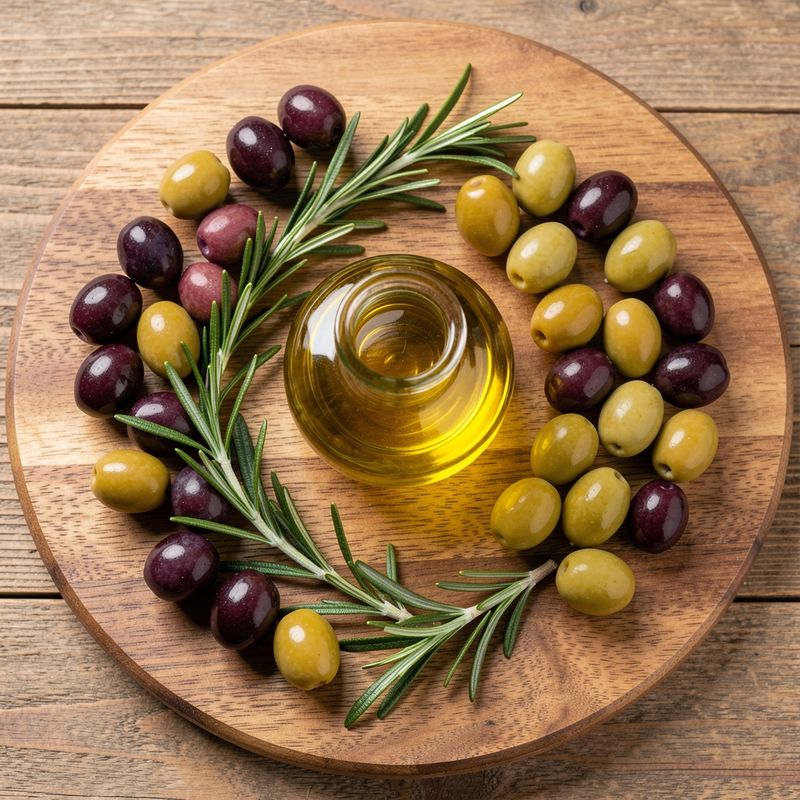
Olive oil is a liquid fat obtained from the fruit of the olive tree, primarily cultivated in the Mediterranean region. The history of olive oil dates back to ancient civilizations, with evidence of production found in Greece, Rome, and Egypt. Today, there are several main variants of olive oil available, including extra virgin, virgin, pure, and light. Each type has its unique characteristics, uses, and health benefits.
How They're Made
The production process of olive oil involves harvesting olives, crushing or pressing them to extract the oil, and then filtering or refining the oil to achieve the desired quality. Industrial and artisanal producers differ in their methods, with industrial producers often using heat and chemicals to increase yield and shelf life, while artisanal producers focus on traditional, cold-pressing methods to preserve the oil's natural flavor and nutritional properties.
Detailed Nutritional Comparison
| Nutrient | Extra Virgin Olive Oil | Virgin Olive Oil | Pure Olive Oil |
|---|---|---|---|
| Calories | 120 | 120 | 120 |
| Fat | 14g | 14g | 14g |
| Saturated Fat | 2g | 2g | 2g |
| Omega-3 | 0.5g | 0.5g | 0.5g |
| Vitamin E | 1.9mg | 1.9mg | 1.9mg |
The nutritional comparison table above shows that extra virgin, virgin, and pure olive oil have similar nutritional profiles, with the main difference being the level of processing and refinement. Extra virgin olive oil, being the least processed, retains more of its natural antioxidants and polyphenols, making it a popular choice for health-conscious consumers. As discussed in our article Avocado Oil vs Olive Oil, the nutritional benefits of olive oil make it a great addition to a healthy diet.
The data also highlights the high fat content of olive oil, which can be a concern for those monitoring their fat intake. However, it's essential to note that the majority of the fat in olive oil is monounsaturated, which has been shown to have numerous health benefits, including reducing inflammation and improving heart health.
In addition to its nutritional benefits, olive oil is also a versatile ingredient that can be used in a variety of dishes, such as Tuna Soup with Olive Oil and Veggies, which provides a delicious and healthy meal option.
In-Depth Ingredient Analysis
Typical ingredients in olive oil include 100% olive oil, with some products containing added flavorings or preservatives. However, it's essential to note that plain olive oil does not contain any added preservatives, as the production process and packaging are designed to preserve the oil's natural quality. When it comes to additives, some olive oil products may contain E-numbers, such as E306 (tocopherol) or E392 (extracts of rosemary), which are authorized by EFSA and FDA for use in food products.
Additives and Controversial Substances
While some additives may raise concerns, it's crucial to rely on scientific evidence and regulatory assessments. EFSA and FDA have thoroughly evaluated the safety of authorized additives, and their use in olive oil products is strictly regulated. For those seeking cleaner-label alternatives, there are many olive oil products available that are free from added preservatives and flavorings, making it easier to make an informed choice.
Health Effects and Benefits
The health benefits of olive oil are well-documented, with studies showing that it can help reduce the risk of heart disease, improve cognitive function, and even aid in weight management. The main risks associated with olive oil consumption are related to its high calorie content, which can contribute to weight gain if consumed excessively. As discussed in our article Natural Tuna with Olive Oil and Vegetables, incorporating olive oil into a balanced diet can have numerous health benefits.
How to Read the Label: A Practical Guide
When reading the label of an olive oil product, it's essential to look for the following: the type of olive oil (extra virgin, virgin, pure, or light), the country of origin, and any added ingredients or preservatives. Red flags include the presence of artificial flavorings, added sugars, or excessive sodium content. Industry tricks to disguise poor ingredients include using vague terms like "olive oil blend" or "Mediterranean-style" olive oil, which may not accurately reflect the product's quality or origin. By being aware of these factors, consumers can make informed decisions and choose high-quality olive oil products that meet their dietary needs and preferences.
Best Products on the Market
Bertolli Extra Light Olive Oil: Key ingredients include high-quality olives. Two strengths are its light flavor and versatility in cooking. One weakness is its higher price point compared to other options. This product is ideal for health-conscious consumers who want a mild olive oil taste.
Pompeian Olive Oil: Key ingredients include a blend of olive varieties. Two strengths are its rich flavor and affordable price. One weakness is its lower smoke point, making it less ideal for high-heat cooking. This product is ideal for those looking for a balanced flavor in their olive oil, and for more information on comparing different types of olive oil, consider reading Italian Olive Oil vs Spanish Olive Oil.
California Olive Ranch Olive Oil: Key ingredients include 100% California-grown olives. Two strengths are its high quality and sustainable production methods. One weakness is its limited availability in some regions. This product is ideal for environmentally aware consumers who prioritize local and sustainable products.
Recipes and Kitchen Uses
Recipe 1: Olive Oil and Herb Roasted Chicken
Ingredients:
- 1 whole chicken (3-4 lbs)
- 1/4 cup olive oil
- 2 tbsp chopped fresh rosemary
- 2 tbsp chopped fresh thyme
- Salt and pepper to taste
Instructions:
- Preheat the oven to 425°F (220°C).
- Rinse the chicken and pat it dry.
- Mix olive oil, rosemary, thyme, salt, and pepper in a bowl.
- Rub the mixture all over the chicken.
- Place the chicken in a roasting pan and roast for about 45-50 minutes or until cooked through.
- Let the chicken rest for 10-15 minutes before carving.
Prep time: 20 minutes.
Recipe 2: Olive Oil and Garlic Sauteed Spinach
Ingredients:
- 1 bunch fresh spinach
- 2 cloves garlic, minced
- 2 tbsp olive oil
- Salt and pepper to taste
Instructions:
- Heat olive oil in a large skillet over medium heat.
- Add garlic and saute for 1 minute until fragrant.
- Add fresh spinach and cook until wilted, about 3-5 minutes.
- Season with salt and pepper to taste.
Prep time: 10 minutes.
Sustainability and Environmental Impact
The production of olive oil can have a significant environmental impact, including water pollution and soil degradation. However, many producers are now adopting more sustainable practices, such as using solar power and reducing water usage. Consumers can choose responsibly by selecting olive oils that are certified as sustainably produced.
Frequently Asked Questions
What is the healthiest type of olive oil?
Answer: Extra virgin olive oil is considered the healthiest due to its high antioxidant content and low processing.
Can I use olive oil for frying?
Answer: Yes, but it's best to use a lighter olive oil with a higher smoke point to avoid degradation.
Is olive oil good for my skin?
Answer: Yes, olive oil is rich in antioxidants and can be beneficial for skin health when used topically.
Final Verdict
In conclusion, choosing the best olive oil for your health involves considering factors such as quality, taste, and sustainability. For those looking to incorporate olive oil into a balanced diet, Extra Virgin Olive Oil in Mediterranean Diet provides valuable insights. By making informed choices, consumers can enjoy the numerous health benefits of olive oil while supporting environmentally responsible practices.
🔍 FoodReveal helps you decode nutrition labels beyond marketing. Available for Android and iOS.
Leave a review