
INTRODUCTION
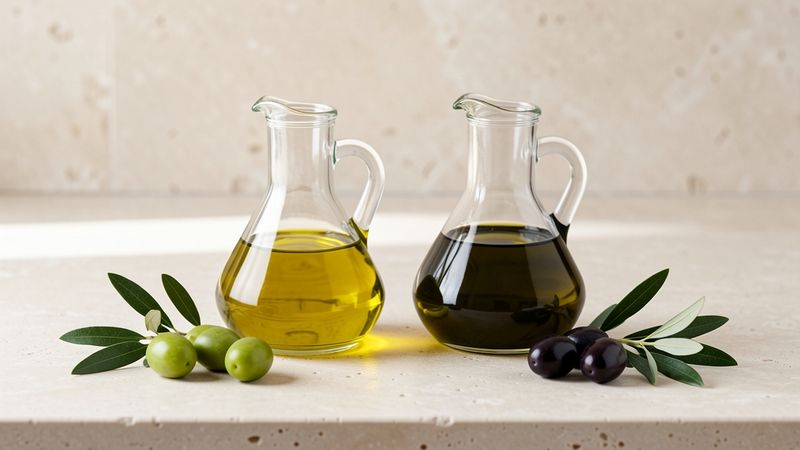
In today's food landscape, where consumers are increasingly conscious of the ingredients and production processes behind their food, olive oil has become a staple in many kitchens. With numerous brands available, it's essential to compare and contrast their offerings to make informed decisions. In this article, we'll delve into the comparison between California Olive Ranch and Pompeian, two prominent olive oil brands. For those interested in the nuances of olive oil, our previous article Extra Virgin vs Virgin Olive Oil provides a detailed exploration of the differences between these two types of olive oil.
What They Are: Definition and Origins
Olive oil is a liquid fat obtained from olives, a traditional tree crop of the Mediterranean region. The history of olive oil production dates back thousands of years, with ancient civilizations such as the Greeks and Romans highly valuing it for its culinary, medicinal, and religious significance. Today, olive oil is produced in many parts of the world, with the main variants including extra virgin, virgin, pure, and light olive oil, each with its unique taste, aroma, and production process.
How They're Made
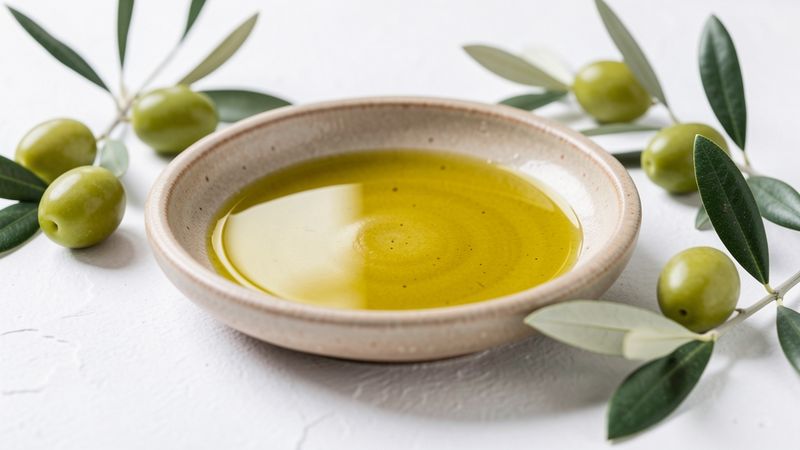
The production of olive oil involves the harvesting of olives from olive trees, followed by crushing or pressing to extract the oil. The process can be either industrial or artisanal, with the latter often resulting in higher quality and more distinctive oils. Industrial production typically involves the use of heat and chemicals to increase yield and shelf life, whereas artisanal producers focus on traditional methods that preserve the natural flavors and nutritional properties of the olives.
Detailed Nutritional Comparison
| Nutrient | California Olive Ranch | Pompeian |
|---|---|---|
| Calories | 120 per tablespoon | 120 per tablespoon |
| Fat | 14g per tablespoon | 14g per tablespoon |
| Saturated Fat | 2g per tablespoon | 2g per tablespoon |
| Omega-3 | 0.5g per tablespoon | 0.5g per tablespoon |
| Vitamin E | 1.9mg per tablespoon | 1.9mg per tablespoon |
The nutritional profiles of California Olive Ranch and Pompeian olive oils are quite similar, reflecting the standard nutritional content of olive oil. Both are high in healthy fats, particularly monounsaturated fats, which are known for their heart health benefits. The presence of vitamin E and omega-3 fatty acids adds to their nutritional value, contributing to their antioxidant and anti-inflammatory properties. For a comparison with other healthy fats, our article Olive Oil vs Sunflower Oil offers insights into how olive oil stacks up against other popular cooking oils.
In-Depth Ingredient Analysis
Typical ingredients in California Olive Ranch and Pompeian olive oils primarily include olive oil, with some products possibly containing additional ingredients such as antioxidants or flavor enhancers. Analyzing the ingredient lists reveals that both brands prioritize using high-quality olives, with California Olive Ranch focusing on California-grown olives and Pompeian sourcing from various international locations. The use of cleaner-label practices is more pronounced in artisanal or specialty olive oils, where the emphasis is on minimal processing and no additives.
Additives and Controversial Substances
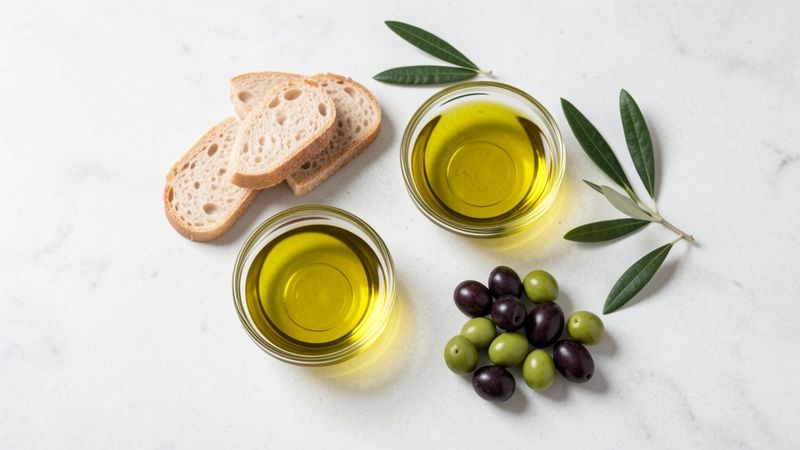
Common additives in some olive oils include preservatives to extend shelf life and flavor enhancers to improve taste. Specific E-numbers might be used in blended or refined olive oils. However, both California Olive Ranch and Pompeian are known for their commitment to quality and purity, making them good choices for those seeking to avoid controversial substances in their olive oil. For consumers looking to incorporate olive oil into their meals for its health benefits, recipes like Tuna Soup with Olive Oil and Veggies showcase its versatility and nutritional value.
Health Effects and Benefits
Documented benefits of consuming olive oil include reduced risk of heart disease, improved cognitive function, and potential anti-cancer properties. The main risks are associated with excessive consumption, leading to high calorie intake. Individuals with specific dietary needs or restrictions should consult with a healthcare provider before making olive oil a staple in their diet. As with any food choice, balance is key, and our article Basmati Rice vs Jasmine Rice: Nutritional Comparison demonstrates how pairing olive oil with the right grains can enhance its health benefits.
How to Read the Label: A Practical Guide
When reading the label of an olive oil product, look for the origin of the olives, the production process, and any additional ingredients. Red flags include the presence of additives, preservatives, or vague labeling terms that obscure the oil's quality or source. Industry tricks to disguise poor ingredients might include using generic terms or emphasizing irrelevant aspects of production. By being an informed consumer and choosing brands like California Olive Ranch and Pompeian that prioritize transparency and quality, you can ensure you're getting the most out of your olive oil. For those interested in healthy snacking options that might pair well with olive oil, our comparison BelVita vs Nature Valley: healthy crackers comparison offers insights into making better choices.
Best Products on the Market
California Olive Ranch Extra Virgin Olive Oil: Key ingredients include 100% California-grown olives. Two strengths are its rich, fruity flavor and high antioxidant content. One weakness is its relatively high price point. This product is ideal for health-conscious consumers seeking a premium olive oil experience. For more information on choosing the right olive oil, visit Choosing the Right Olive Oil.
Pompeian Extra Virgin Olive Oil: Key ingredients include a blend of olives from various regions. Two strengths are its smooth, approachable flavor and wide availability in supermarkets. One weakness is its potential for a less robust flavor profile compared to single-origin oils. This product is ideal for everyday cooking and those new to using olive oil.
Bertolli Extra Virgin Olive Oil: Key ingredients include a blend of Italian and international olives. Two strengths are its well-balanced flavor and commitment to sustainable farming practices. One weakness is its use of blended oils, which may not appeal to purists seeking single-origin products. This product is ideal for environmentally aware consumers who also value flavor and versatility in their olive oil.
Recipes and Kitchen Uses
Recipe 1: Mediterranean Salad
Ingredients:
- 1/2 cup extra virgin olive oil
- 2 tablespoons red wine vinegar
- 1 teaspoon dried oregano
- 1/2 teaspoon salt
- 1/4 teaspoon black pepper
- 4 cups mixed greens
- 1 cup cherry tomatoes, halved
- 1 cup cucumber, sliced
- 1/2 cup crumbled feta cheese
Instructions:
- In a large bowl, whisk together olive oil, vinegar, oregano, salt, and pepper.
- Add the mixed greens, cherry tomatoes, cucumber, and feta cheese to the bowl.
- Toss gently to combine.
- Serve immediately.
- Garnish with additional oregano if desired.
Prep time: 15 minutes.
Recipe 2: Roasted Vegetables
Ingredients:
- 2 tablespoons extra virgin olive oil
- 1 large sweet potato, peeled and cubed
- 1 large carrot, peeled and sliced
- 1 large red bell pepper, seeded and sliced
Instructions:
- Preheat the oven to 425°F (220°C).
- In a bowl, toss the sweet potato, carrot, and bell pepper with olive oil until they are evenly coated.
- Spread the vegetables out in a single layer on a baking sheet.
- Roast in the preheated oven for 20-25 minutes, or until the vegetables are tender and lightly browned.
- Season with salt and pepper to taste.
Prep time: 10 minutes.
Sustainability and Environmental Impact
The production of olive oil can have significant environmental impacts, including water pollution from pesticide and fertilizer use, and soil erosion due to intensive farming practices. However, many producers, such as California Olive Ranch, are adopting more sustainable practices, including organic farming and reducing water usage. Consumers can choose responsibly by selecting olive oils that are certified as sustainably produced and supporting companies that prioritize environmental stewardship.
Frequently Asked Questions
What is the difference between extra virgin and regular olive oil?
Answer: Extra virgin olive oil is of higher quality, with a lower acidity level and a more robust flavor, making it ideal for dressings and finishing dishes.
Can I use olive oil for high-heat cooking?
Answer: While olive oil has a relatively low smoke point, some varieties, especially those labeled as "high-heat" or "for cooking," can be used for sautéing and frying.
How should I store olive oil to preserve its quality?
Answer: Olive oil should be stored in a cool, dark place, away from heat sources and light, to prevent oxidation and flavor degradation.
Final Verdict
In conclusion, both California Olive Ranch and Pompeian offer high-quality olive oils, each with their unique strengths and weaknesses. For those seeking a premium, single-origin olive oil with a robust flavor, California Olive Ranch may be the better choice. However, for everyday cooking and a smoother flavor profile, Pompeian could be preferred. When Extra Virgin Olive Oil in Mediterranean Diet is considered, the health benefits and culinary versatility of olive oil become even more apparent. Ultimately, the decision between these two brands will depend on individual preferences and cooking needs.
🔍 FoodReveal helps you decode nutrition labels beyond marketing. Available for Android and iOS.
Leave a review