
Introduction
In today's food landscape, where consumers are increasingly health-conscious and environmentally aware, the demand for sustainable and nutritious food options is on the rise. One such option that has gained popularity in recent years is legume pasta, a plant-based alternative to traditional pasta made from wheat. For those looking to make informed choices about their diet, understanding the benefits and drawbacks of different food options is crucial, as discussed in our previous article on Barilla: fiber, protein & GI of whole, semi & white pasta. In this article, we will delve into the world of legume pasta, exploring what it is, how it's made, its nutritional profile, and the potential health effects and benefits associated with its consumption.
What They Are: Definition and Origins
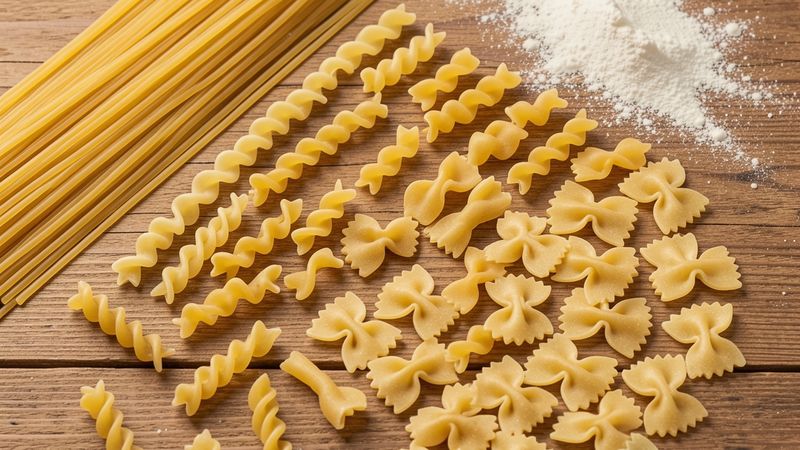
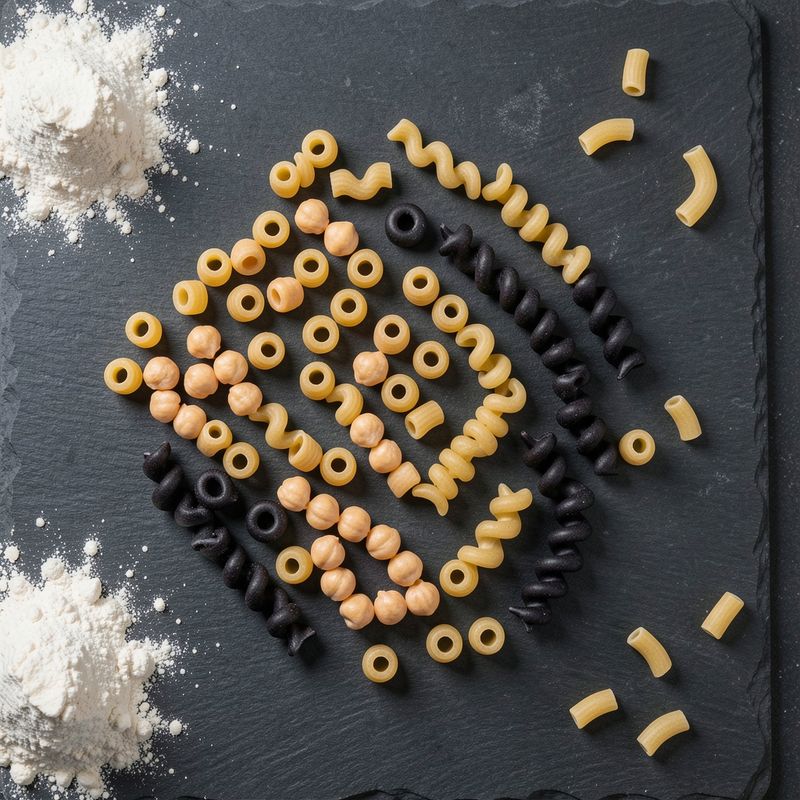
Legume pasta is a type of pasta made from legumes, which are plants that produce pods with seeds, such as lentils, chickpeas, and peas. The history of legume pasta dates back to ancient times, with evidence of its consumption found in various cultures around the world. Today, legume pasta is available in a variety of forms, including spaghetti, fusilli, and penne, made from different types of legumes. The main variants available today include lentil pasta, chickpea pasta, and pea pasta, each with its unique nutritional profile and texture.
How They're Made
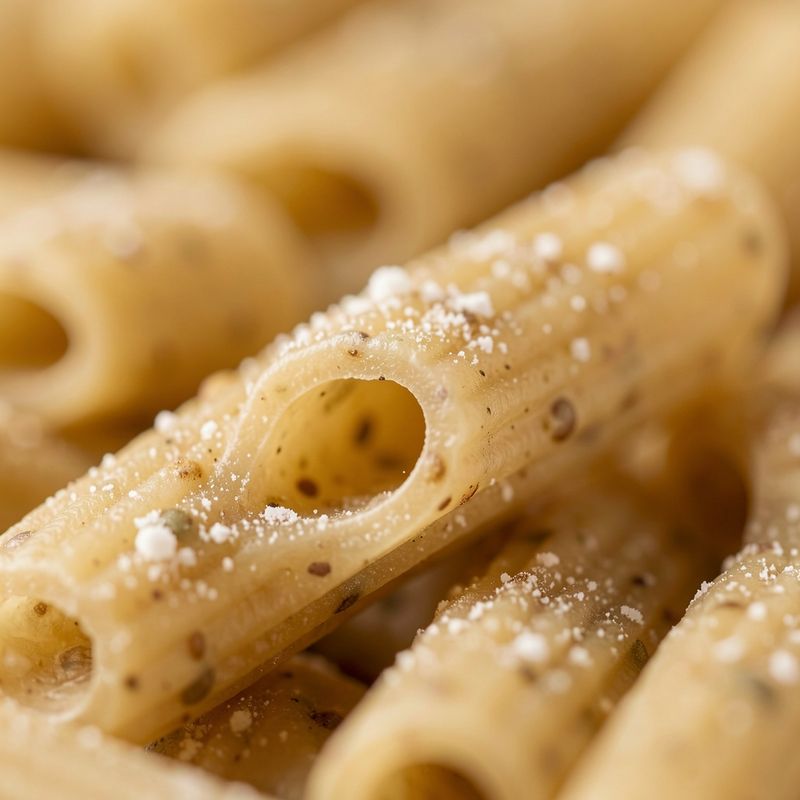
The production process of legume pasta involves harvesting and sorting the legumes, followed by grinding them into a flour. This flour is then mixed with water to create a dough, which is extruded through a die to give the pasta its shape. The pasta is then dried to remove excess moisture. While industrial production methods may involve additional processing steps, artisanal producers often use simpler, more traditional methods to preserve the natural flavor and texture of the legumes.
Detailed Nutritional Comparison
| Nutrient | Lentil Pasta | Chickpea Pasta | Pea Pasta |
|---|---|---|---|
| Protein | 15g | 12g | 10g |
| Fiber | 10g | 8g | 6g |
| Iron | 3mg | 2mg | 1mg |
| Calcium | 20mg | 15mg | 10mg |
The nutritional data shows that legume pasta is a good source of protein, fiber, and various minerals such as iron and calcium. Lentil pasta appears to have the highest protein and fiber content, making it a popular choice among health-conscious consumers. However, it's essential to note that the nutritional profile may vary depending on the specific type of legume used and the production process. As discussed in our article on Effects of Natural Sugars, understanding the nutritional content of food is crucial for making informed choices about our diet.
The data also highlights the potential benefits of legume pasta for individuals looking to increase their protein and fiber intake. With its high protein content, lentil pasta may be an excellent option for vegetarians and vegans seeking to boost their protein intake. Additionally, the fiber content in legume pasta can help promote digestive health and support healthy blood sugar levels.
In-Depth Ingredient Analysis
Typical ingredients in legume pasta include the legume flour, water, and sometimes additional ingredients such as salt or olive oil. It's essential to check the ingredient list to ensure that the product does not contain any unwanted additives or allergens. Some products may also contain additional nutrients such as vitamin B12 or iron, which are often fortified in plant-based products. When it comes to additives, it's crucial to respect EFSA and FDA regulations, which ensure the safety of food additives. For example, some legume pasta products may contain E-numbers such as E300 (ascorbic acid) or E322 (lecithin), which are authorized by EFSA and FDA for use in food products.
Additives and Controversial Substances
While some consumers may be concerned about the presence of additives in legume pasta, it's essential to note that all E-number additives authorized in the EU and US are safety-assessed by EFSA and FDA. However, some consumers may still prefer to opt for cleaner-label alternatives, which contain fewer or no additives. In such cases, it's crucial to read the ingredient list carefully and look for products that are labeled as "additive-free" or "organic."
Health Effects and Benefits
The consumption of legume pasta has been associated with several health benefits, including improved digestive health, increased satiety, and support for healthy blood sugar levels. The high fiber and protein content in legume pasta can help promote feelings of fullness and support weight management. Additionally, the antioxidants and polyphenols present in legumes may help protect against chronic diseases such as heart disease and certain types of cancer. As discussed in our article on Folic Acid Sources: How to Integrate Vitamin B9, understanding the nutritional benefits of different food options is crucial for maintaining a healthy diet.
How to Read the Label: A Practical Guide
When reading the label of a legume pasta product, it's essential to look for the ingredient list, nutritional information, and any potential allergens or additives. Consumers should be wary of products that contain a long list of ingredients, including unwanted additives or preservatives. Instead, opt for products with simple, recognizable ingredients and minimal processing. Additionally, be aware of industry tricks to disguise poor ingredients, such as using generic terms like "spices" or "natural flavors." By being an informed consumer and reading the label carefully, you can make better choices about the food you eat and support a healthier, more sustainable food system.
Best Products on the Market
Banza Chickpea Pasta: Key ingredients include chickpeas, pea fiber, and brown rice. Two strengths are high protein content and gluten-free. One weakness is higher cost compared to traditional pasta. This product is ideal for health-conscious consumers looking for a nutritious and sustainable pasta option. For more information on comparing different pasta brands, check out Garofalo Pasta vs Rummo Pasta: Comparison.
Barilla Red Lentil Pasta: Key ingredients include red lentils, spaghetti, and thyme. Two strengths are rich in fiber and plant-based protein. One weakness is limited availability in some regions. This product is ideal for environmentally aware consumers seeking to reduce their carbon footprint through food choices.
Tolerant Foods Green Lentil Pasta: Key ingredients include green lentils, quinoa, and amaranth. Two strengths are high in iron and made from non-GMO ingredients. One weakness is a coarser texture that may not appeal to all consumers. This product is ideal for consumers with dietary restrictions or preferences, such as vegans or those with gluten intolerance.
Recipes and Kitchen Uses
Recipe 1: Lentil Pasta Salad
Ingredients:
- 1 cup cooked lentil pasta
- 1/2 cup cherry tomatoes, halved
- 1/4 cup cucumber, sliced
- 1/4 cup red onion, thinly sliced
- 2 tablespoons olive oil
- 1 tablespoon lemon juice
- Salt and pepper to taste
Instructions:
- Cook the lentil pasta according to package instructions.
- In a large bowl, combine cooked pasta, cherry tomatoes, cucumber, and red onion.
- In a small bowl, whisk together olive oil and lemon juice.
- Pour the dressing over the pasta mixture and toss to combine.
- Season with salt and pepper to taste.
Prep time: 20 minutes.
Recipe 2: Chickpea Pasta Soup
Ingredients:
- 1 cup chickpea pasta
- 4 cups vegetable broth
- 1 can diced tomatoes
- 1/2 cup chopped kale
- 1/4 cup chopped fresh parsley
Instructions:
- Cook the chickpea pasta according to package instructions.
- In a large pot, combine vegetable broth, diced tomatoes, and cooked pasta.
- Bring the mixture to a boil, then reduce heat and simmer for 10 minutes.
- Stir in chopped kale and parsley.
- Serve hot.
Prep time: 25 minutes.
Sustainability and Environmental Impact
The production of legume pasta has a lower environmental impact compared to traditional pasta, as it requires less water and land to produce. Additionally, legumes are a nitrogen-fixing crop, which can improve soil health and reduce the need for synthetic fertilizers. Consumers can choose responsibly by selecting products with eco-friendly packaging and supporting companies that prioritize sustainability.
Frequently Asked Questions
What is legume pasta?
Answer: Legume pasta is a type of pasta made from legumes, such as lentils, chickpeas, or beans, which are high in protein and fiber.
Is legume pasta gluten-free?
Answer: Yes, most legume pasta products are gluten-free, making them a great option for consumers with gluten intolerance or sensitivity.
Can I cook legume pasta like traditional pasta?
Answer: Yes, legume pasta can be cooked similarly to traditional pasta, but it may have a slightly different texture and cooking time.
Final Verdict
In conclusion, legume pasta is a nutritious and sustainable alternative to traditional pasta. With its high protein and fiber content, it can be a great addition to a healthy diet. For those looking to compare different whole wheat pasta options, check out Rummo vs La Molisana: Whole Wheat Pasta Comparison. By choosing legume pasta, consumers can support environmentally friendly farming practices and enjoy a delicious and healthy meal.
🔍 FoodReveal helps you decode nutrition labels beyond marketing. Available for Android and iOS.
Leave a review